Foraging in Floral Design
Foraging can be a hot topic in the floristry world. I practice foraging a lot with my business and sometimes I honestly feel like the mental energy of sourcing and planning, physical exertion, and time it takes to do so completely cancels or exceeds what I would have paid to just buy it. But alas, it’s pretty common for me to ruin a good pair of shoes or have leaves in my hair on the regular because I just can’t stop. Sometimes the uniqueness of natural element pieces is what make my designs stand out. There will be a day where I have a giant workshop with storage that I can keep all my foraged treasures and pieces because it’s all part of the adventure in my humble opinion, but that’s a different blog post tangent.
In particular, I like to forage wood pieces, branches (for more natural looking mechanics bases as well as for designs), cones, greenery, grasses, dried texture accents, moss, smokebush, and other seasonal blooming flowers.
I’m laying out all the things to consider plus a few tips I follow in order to practice this method of gathering supplies and materials for my pieces.
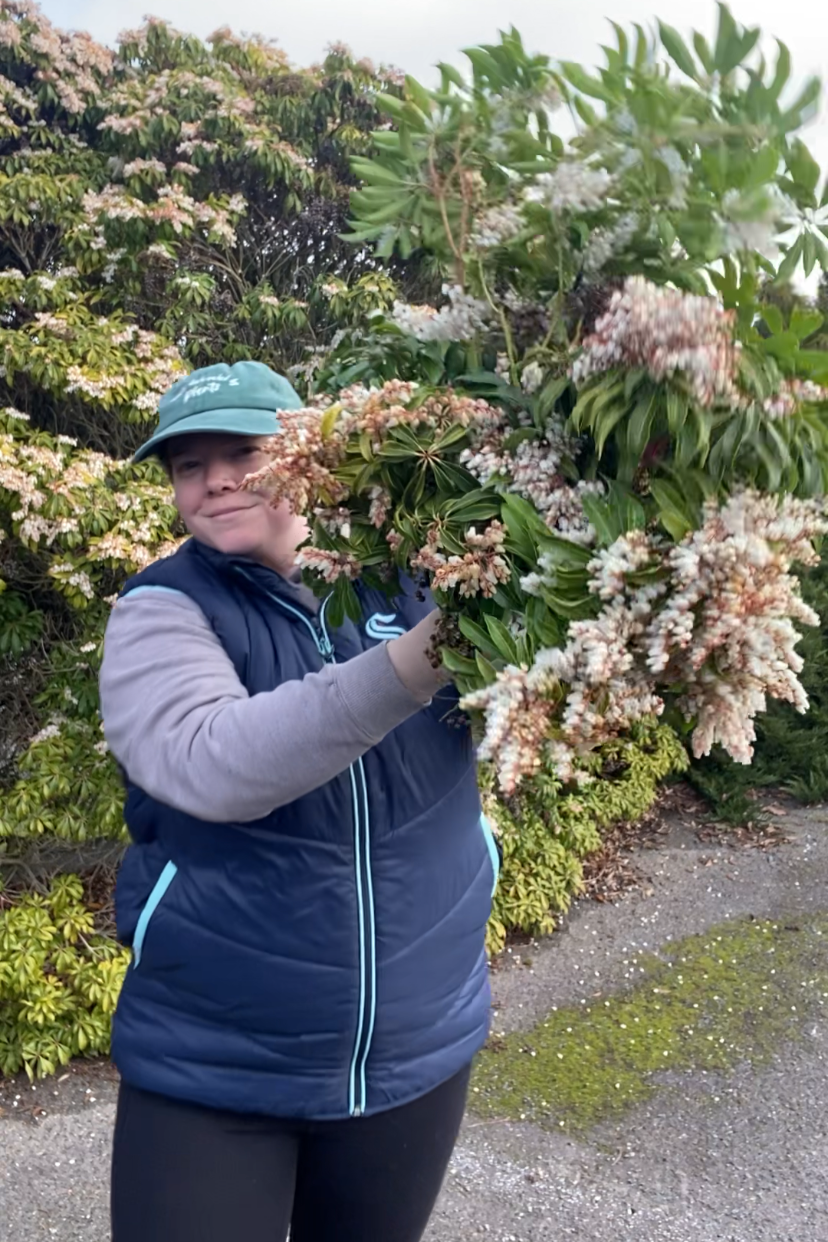
Be knowledgeable about the product
Don’t forage what you can’t properly identify and research ahead of time
Not every flower or plant can be picked and used in floral design. Some wild or even cultivated florals and greens just simply don’t hold up for even short installs, not to mention extended vase life. Sometimes it comes down to specialty handling when harvesting the product that seasoned growers know, but without researching the proper care methods you wouldn’t know it isn’t a cut and plop in water situation. Think liliacs, hydrangeas, hellebore that all take special hydration methods.
Nature makes a lot of copy cats, plants that look alike but aren’t the same- and can even be poisonous or invasive. You need to know the differences between the two for safety and ethical reasons.
Planning ahead for event work you have to be seasonally aware of what’s blooming when, and also at the mercy of weather patterns. If you plan to forage product on a specific date, it may or may not be growing locally vs purchasing from suppliers with different growing seasons.
Protected and endangered species- just don’t do it. Looking at you PNW trilliums! See also the Ethics section further down the blog.
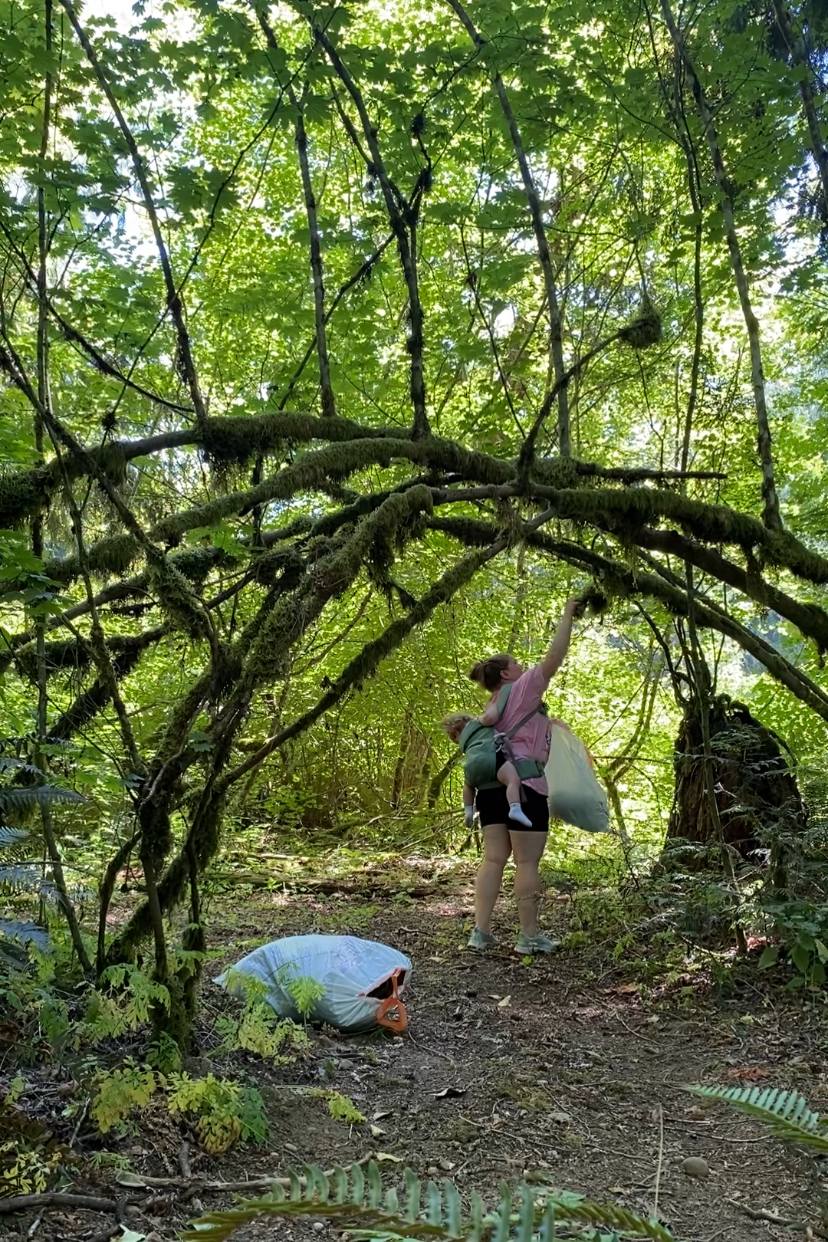
Research ownership
This one is huge. I think when one typically envisions “foraging” you picture someone out in the woods with their clippers and a cute little basket to carry their goods. Or maybe it’s the cover of darkness on a street corner harvesting lilac off of what “looks” like vacant property. There can be pretty serious legal repercussions for foraging depending on who owns the property and what grows on it. DO NOT be that person that cuts someone’s treasured garden peonies in the cover of darkness.
Private property with permission is always the way to go in my opinion. That could be permission from an individual owner for their own yard, landlord’s permission, or property management company. Without permission, it’s trespassing, vandalism, or theft. Weigh those risks vs rewards, realistically. My favorite way to make connections is to put the call out for what I’m looking for on a local Facebook group for my city, either a general city group or Buy Nothing chapter group. It helps to give some advanced notice to give folks time to see the post and respond, plus it cuts down on travel time/expenses to go further out than the city you live. I also have about a 50% success rate just knocking on the door of someone locally and asking if they’re up for me pruning their (insert plant name here). I’ve even heard of someone following a truck full of red-twig dogwood across town and saving the load from the dump- ha!
All other land you not only have to check with city guidelines, but also county and state laws. Think about open spaces, vacant property, the side of the road (freeway on-ramp anyone?), or any materials that are in sidewalks for this. If it’s a park or forest, it may or may not be public land, but if it’s federal land there’s also regulations about what you can and cannot take out of a national or state forest/park.
Ethics
It’s the ethical side of things that, aside from the “grand theft floral” discussed at the beginning of this post, ruffles the most feathers. We want to make sure we’re behaving ethically, responsibly, and sustainably for our industry, so here are the points to consider and let me know if you have more I should add!
Just because it’s foraged doesn’t mean it’s free- always expect to pay for the product if needed.
Foraging in nature isn’t like harvesting grown farm product, in the sense that you cannot just take it all and plant it again by seed the next year. For example, when harvesting money plant/lunaria, if you take the whole patch, it won’t reproduce for later years as it’s a bi-annual and needs the seeds to spread each fall. Aim to take no more than 10-40% of product depending on the product to ensure the plant/flower continues for future generations and that there is no disturbance to the ecosystem (think about the bugs that use that material for shelter and food!)
Invasive species bring up a double edged sword. On one hand, if it’s invasive it’s usually not frowned upon to pick and remove, but doing so may inadvertently spread the seed to places it shouldn’t be. Some varieties of ornamental grass are a good example of this because in decor they’re often used as dried, and the seeds on those shed everywhere. In the events industry, it’s also common for product to be sent home with guests or be disposed of by individuals that may not be familiar with proper disposal. Invasive species cannot go into yard waste as it is usually is composted, which spreads the plant further.
Leave no trace doesn’t just apply to protected land (research California poppy superblooms for sad stories about high traffic viewing). Even on shared public land like a park where the city regulations clearly state you can pick the flowers or prune the greenery, I personally have the opinion that why would I feel like I’m more entitled to these things rather than leaving them for everyone to enjoy?
Tips and Tricks
-
Most plants are at their highest hydration point in the mornings, which means that they’re at a better starting point to stay alive when they’re cut.
-
Most greenery needs to harden up and new growth will wilt too quickly to use.
-
Consider what vehicle you have - it’s gonna get messy. If you’re cool with a slightly funky smelling vehicle be sure to always keep some clippers, gloves, and big garbage bags on hand. Extra florist points for extra shoes so you always have something you can get dirty!
-
Always have your head on a swivel to identify overgrowth or establish a list of contacts for who has what for future. I keep a set of notecards in my vehicle to write notes and leave my contact info to connect!
-
Follow up with photos of the final result and a thank you when you pick from within your network or from friends. Never underestimate the power of referrals.
