All About Minimum Orders
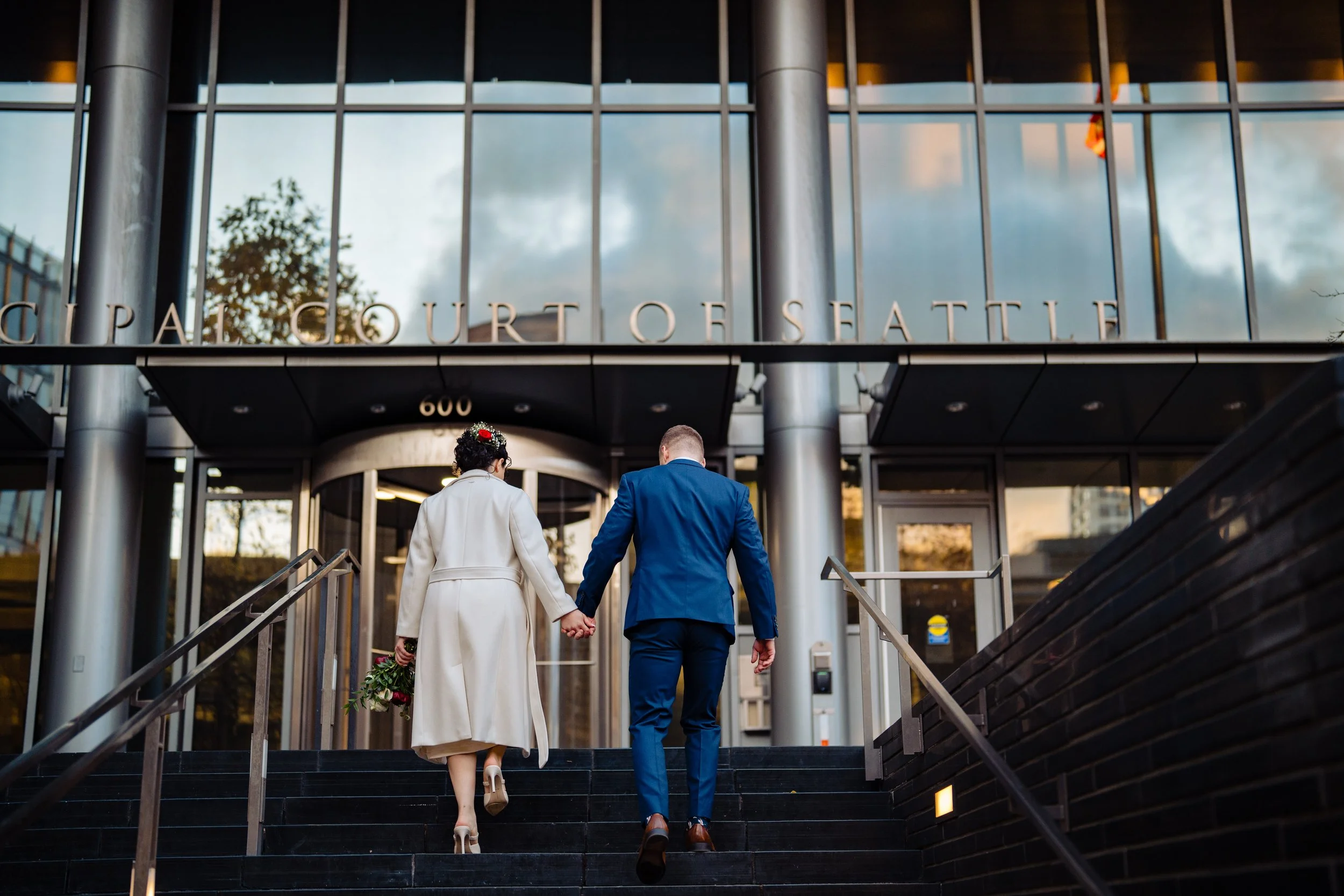
All photos by Cory Parris Photography
Florals by The Copper Dahlia, sourced from The Copper Dahlia and Northwest Wholesale
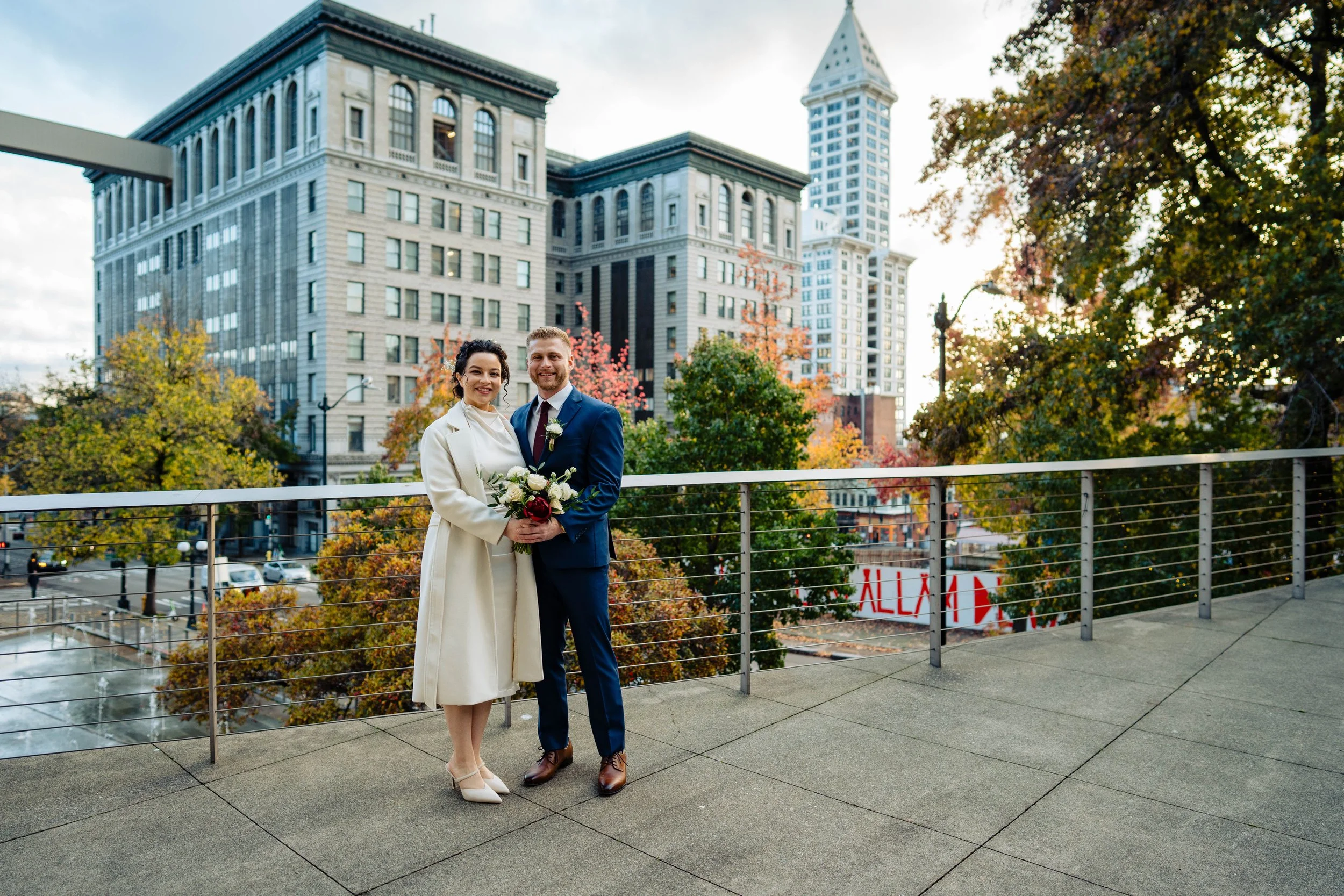
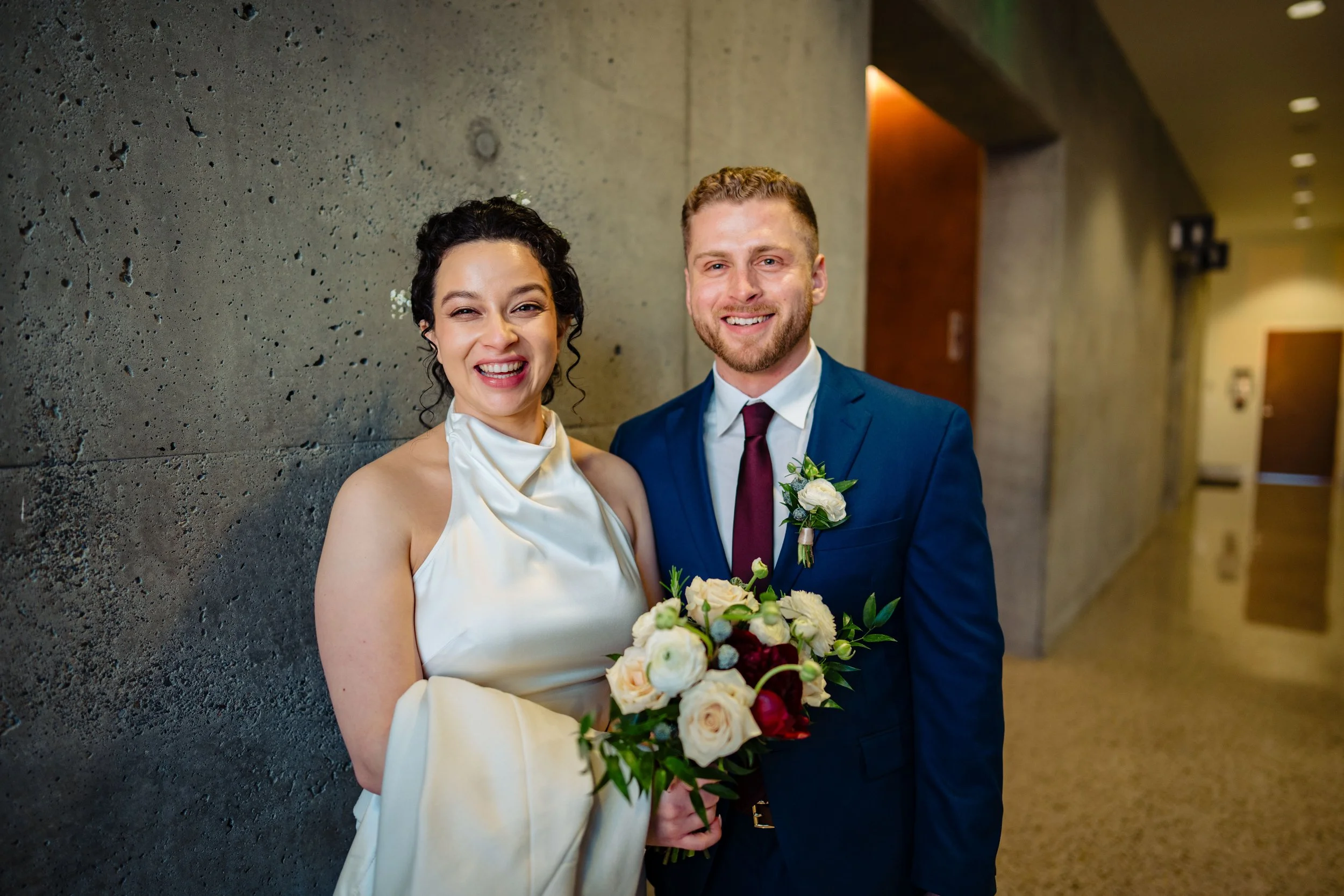
Stephanie and Austin eloped with a Seattle Courthouse ceremony in November 2024, and she initially found The Copper Dahlia through a referral from a photographer I’ve worked with in the past! She knew she wanted a handheld bridal bouquet that went well with the ivory and cream tones of her dress and warm coat. Austin was going to wear a blue tux and burgundy tie. These two were a traveling bunch and big foodies. Tying all of these elements together, Stephanie’s handtied bouquet had creamy vendella roses, contrasting white ranunculus, rosemary greens, burgundy peonies, silver bell eucalyptus, and Italian ruscus greens. I also added a “something old” vintage pearl accent pendant to the champagne ribbon wrap. Austin’s boutonniere was white ranunculus with rosemary and ruscus greens and a few silver bell pod accents.
First things first, here at The Copper Dahlia there are no minimums for weddings or event bookings. I design for clients needing 1-2 items, such as an elopement bouquet/boutonniere or dinner party centerpiece, and larger events for 200+ guests and many floral elements. My clients and I are usually a good fit when we’re both passionate for intentional designs that reflect their story and personality, regardless if that is for something on a smaller scale or an elaborate event.
That being said, flowers are provided in the industry by the bunch; meaning that, to get 6 roses for an order I actually need to order 1 bunch of 24! So, depending on the flower types and size being chosen for the design, I may be sourcing double or more than the number of flowers needed for the order.
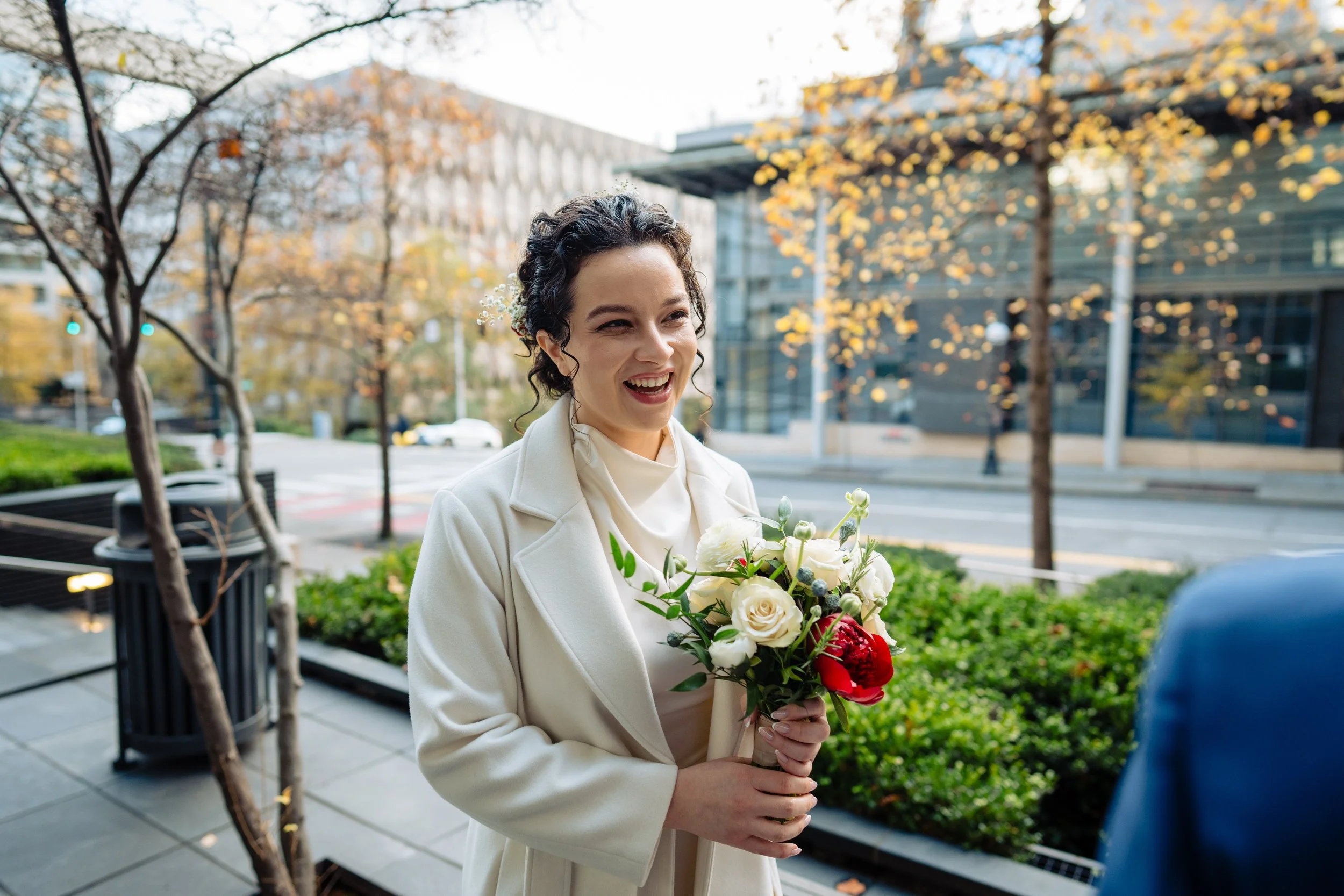
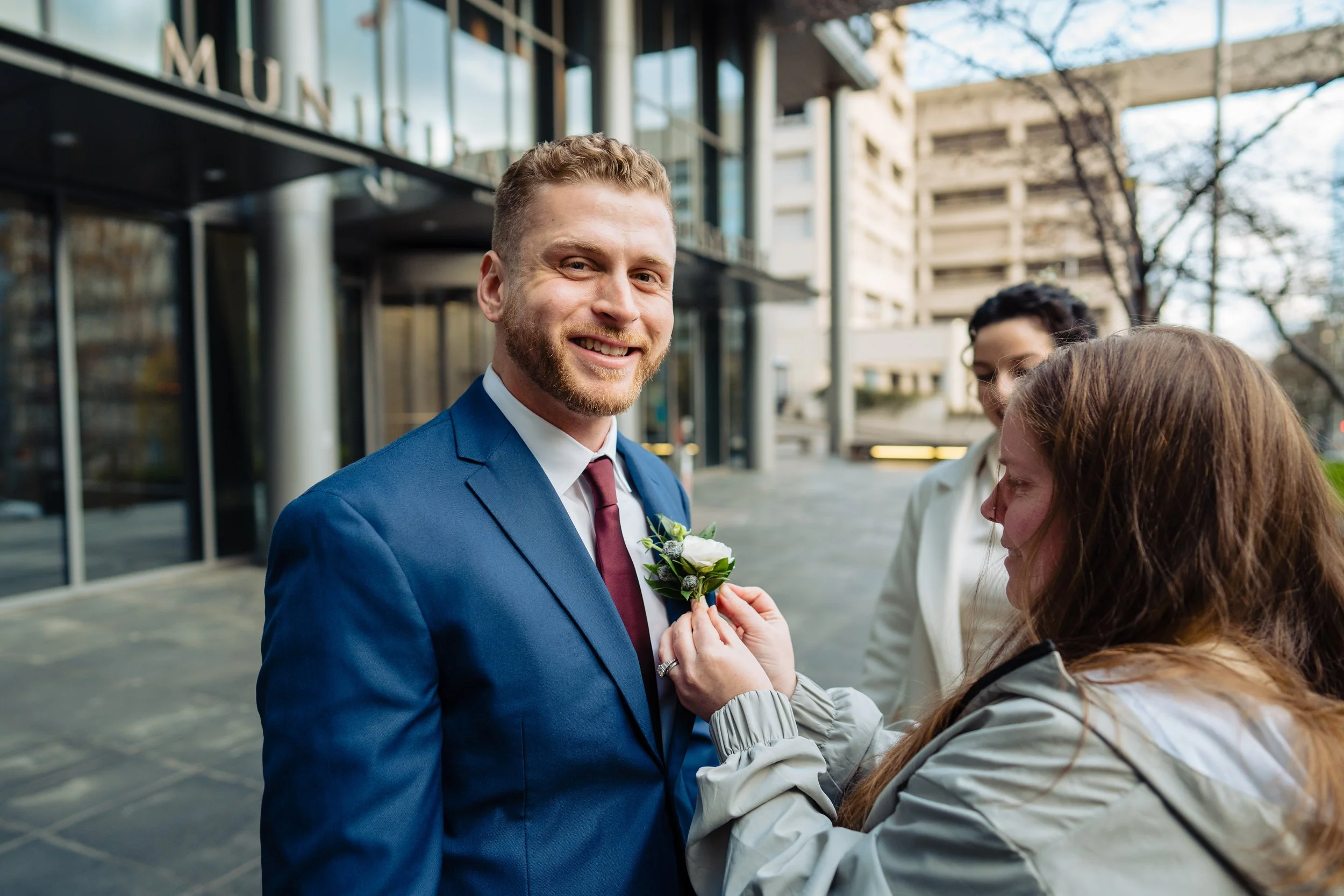
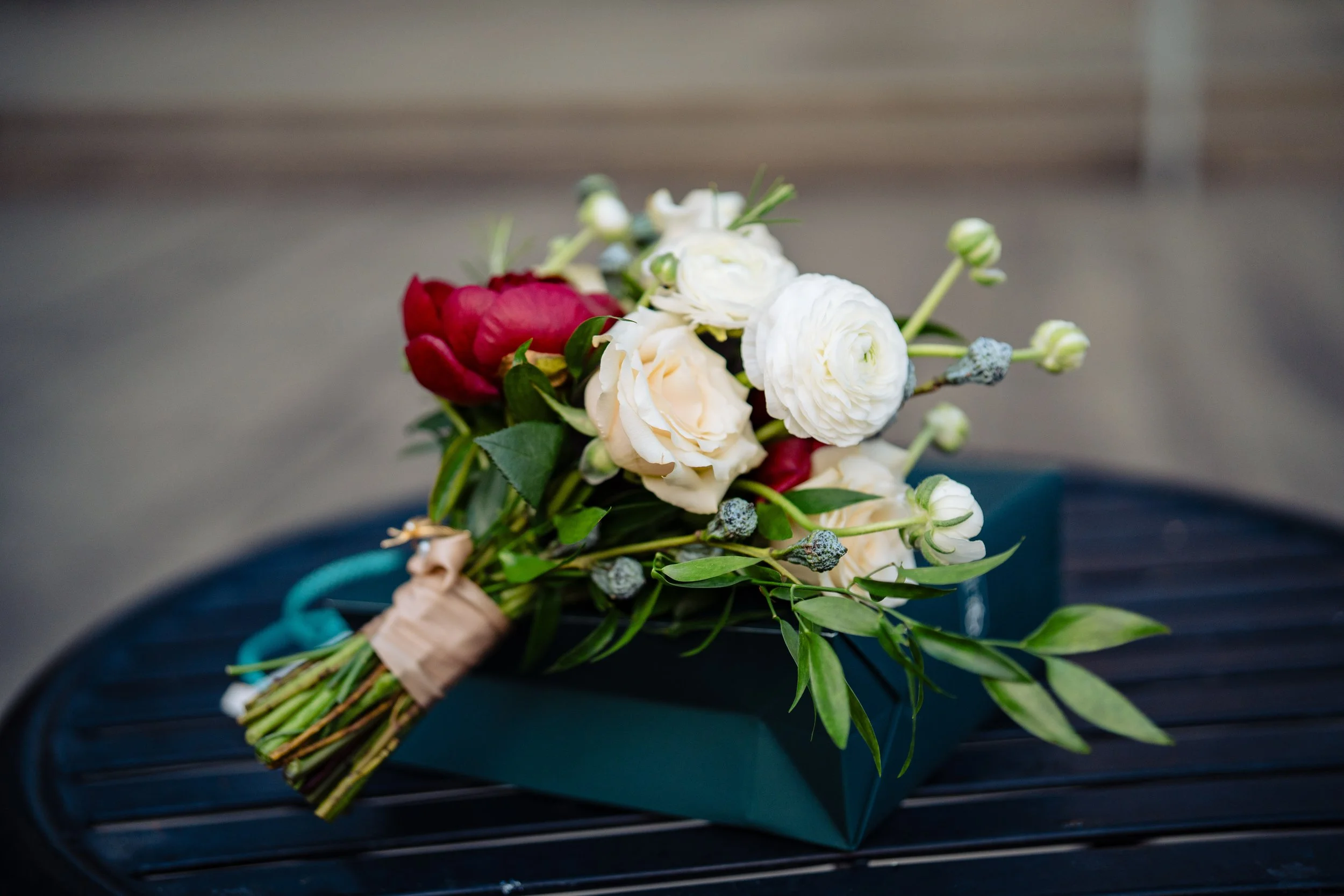
You may find that pricing for an elopement bridal/personal bouquet and boutonniere is higher than if those same items were ordered with other wedding pieces, because of the cost of the whole bunch. If that same bouquet was ordered with other priced wedding pieces, such as altar arrangements or arch swags, or centerpieces, the price per stem of those additional flowers would be distributed across those other components.
In my business approach, I don’t charge a mark-up for those extra blooms (just the amount it cost me as a wholesale customer) and I certainly choose which florals to use in designs based on not having extra product or costs. This is also why my designer’s choice packages have ceremony décor packaged with a bouquet and boutonniere vs a bouquet and boutonniere only.
Since a handheld bouquet is the most frequently requested “single” item, for reference, most of my clients spend between $160-$450 on that floral piece. This is entirely dependent on the size, design style, and flower varieties of course!
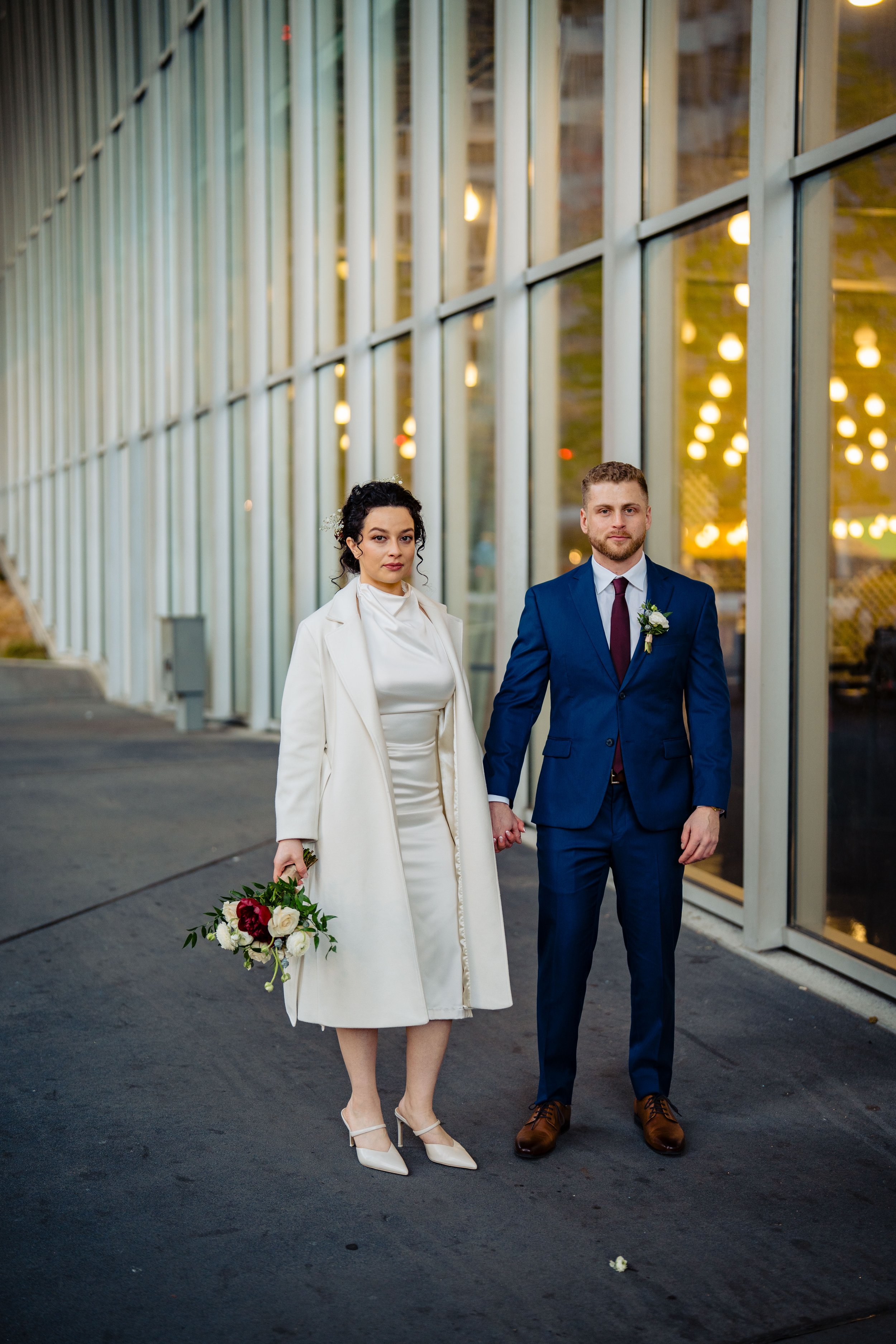
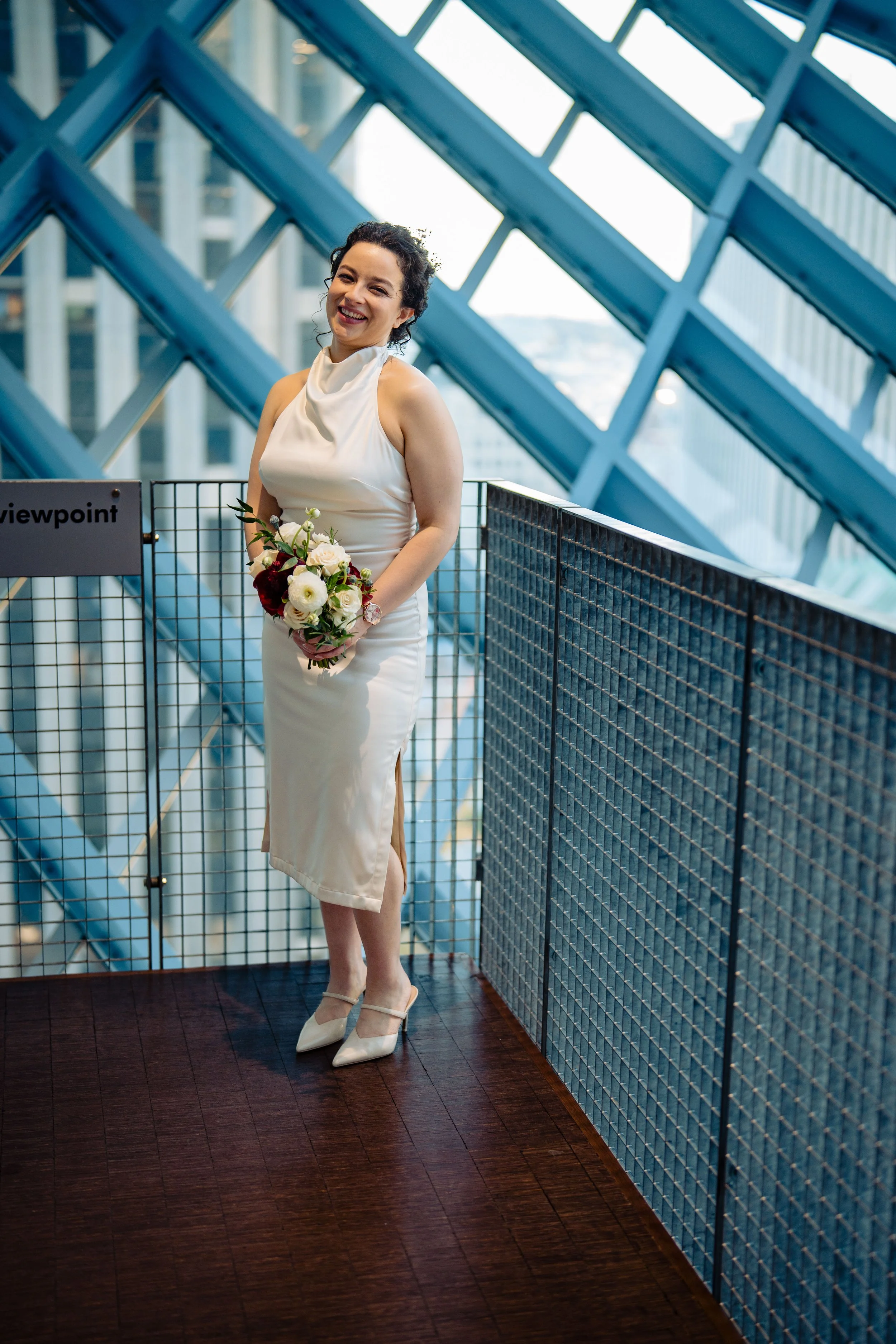
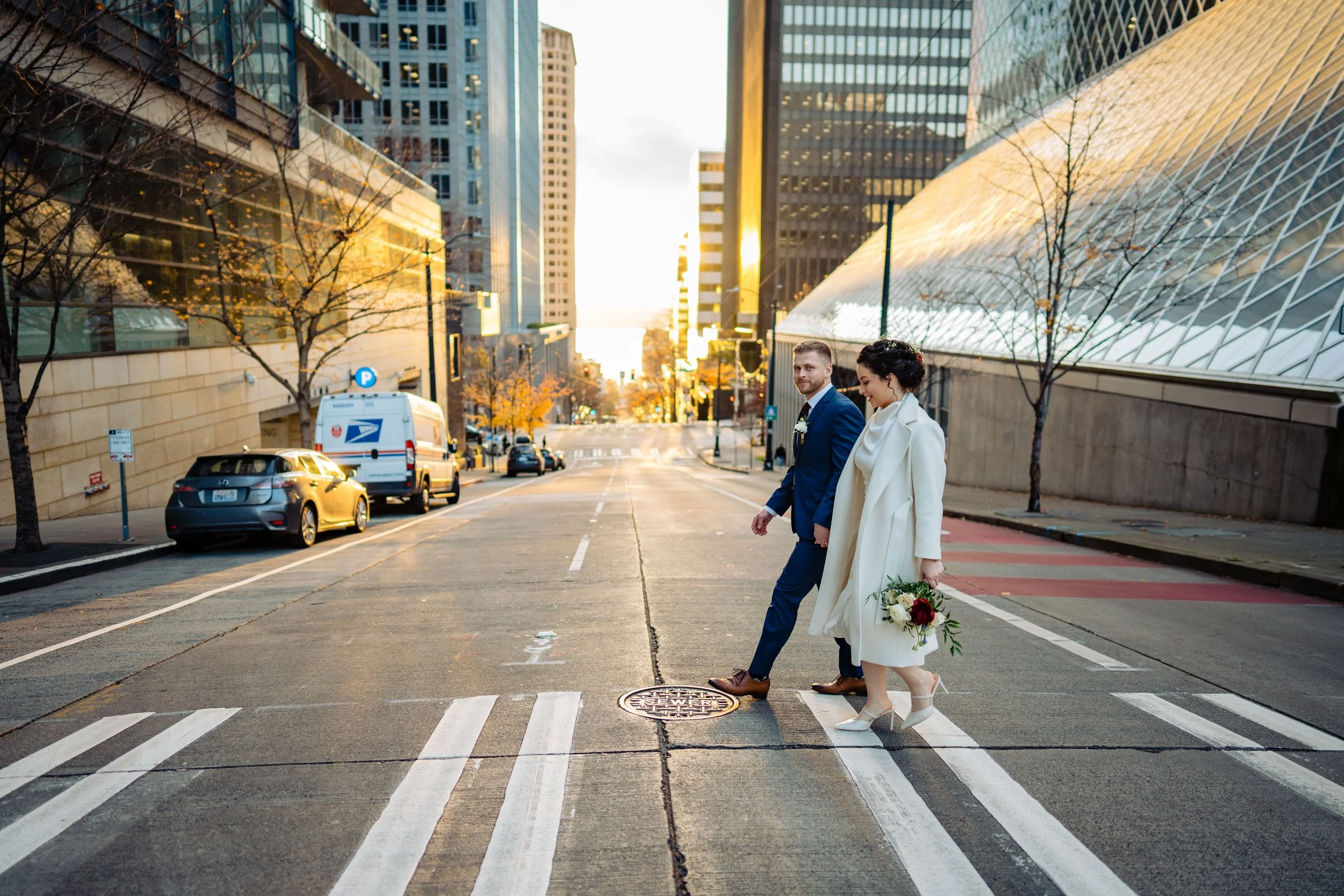
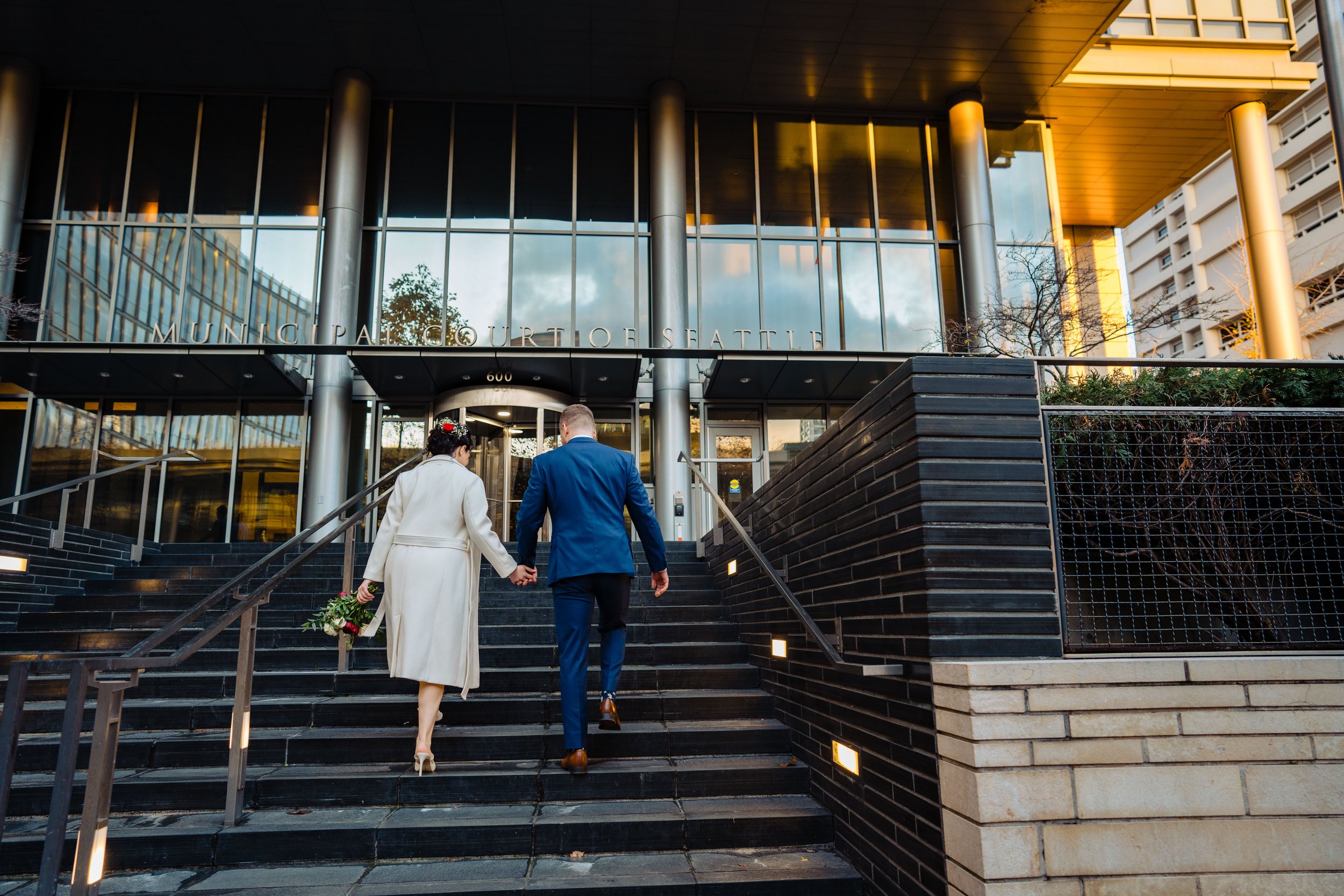
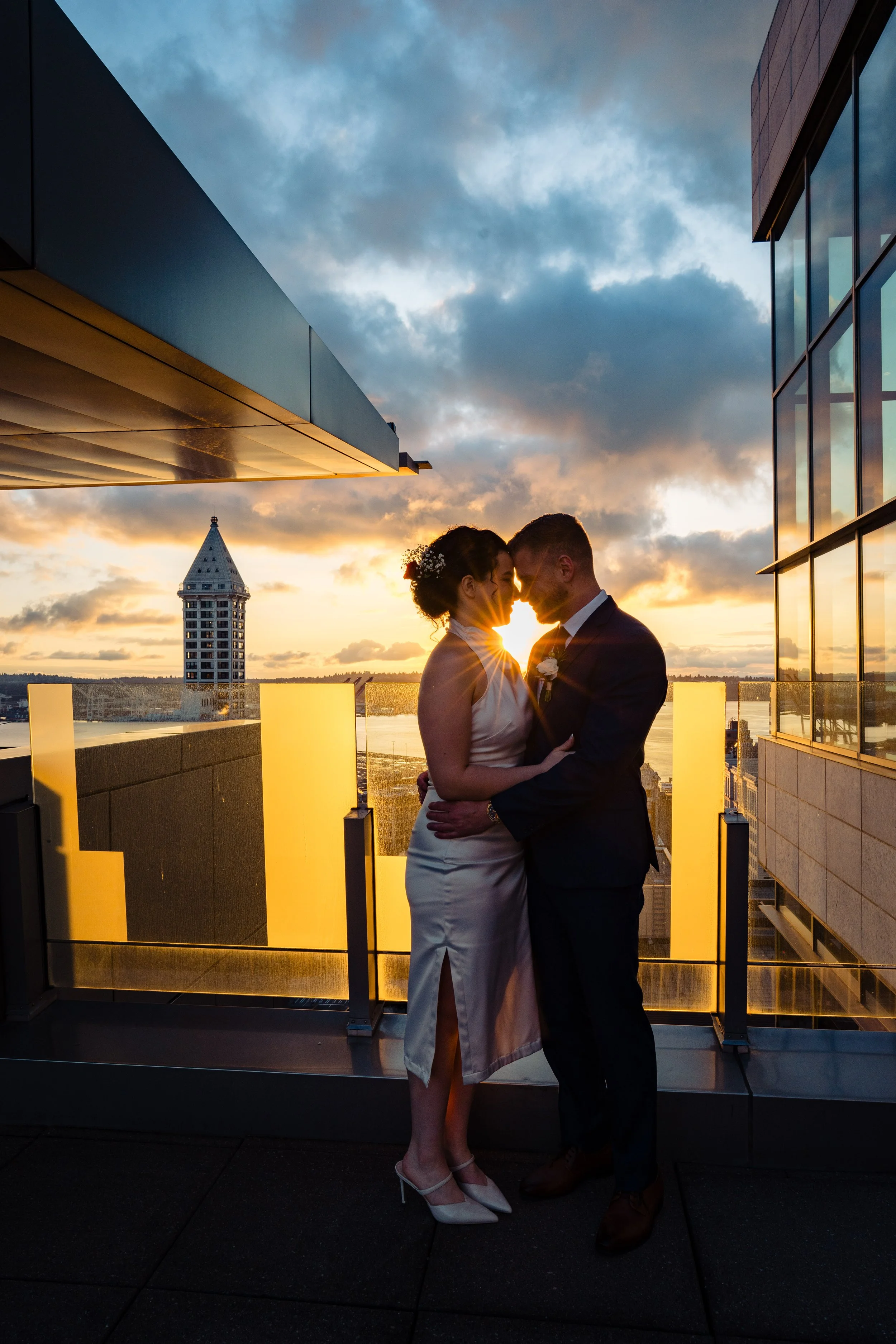
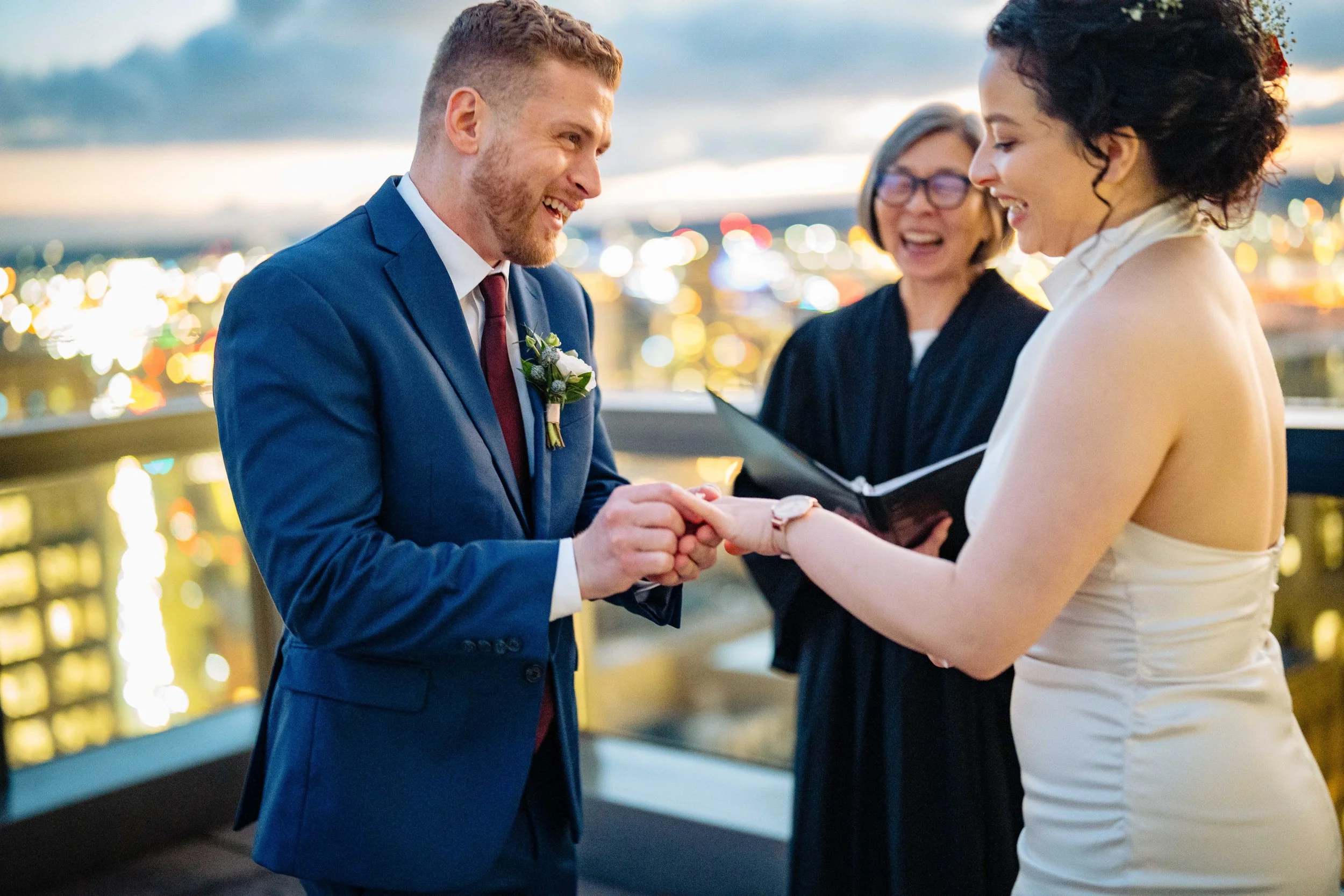
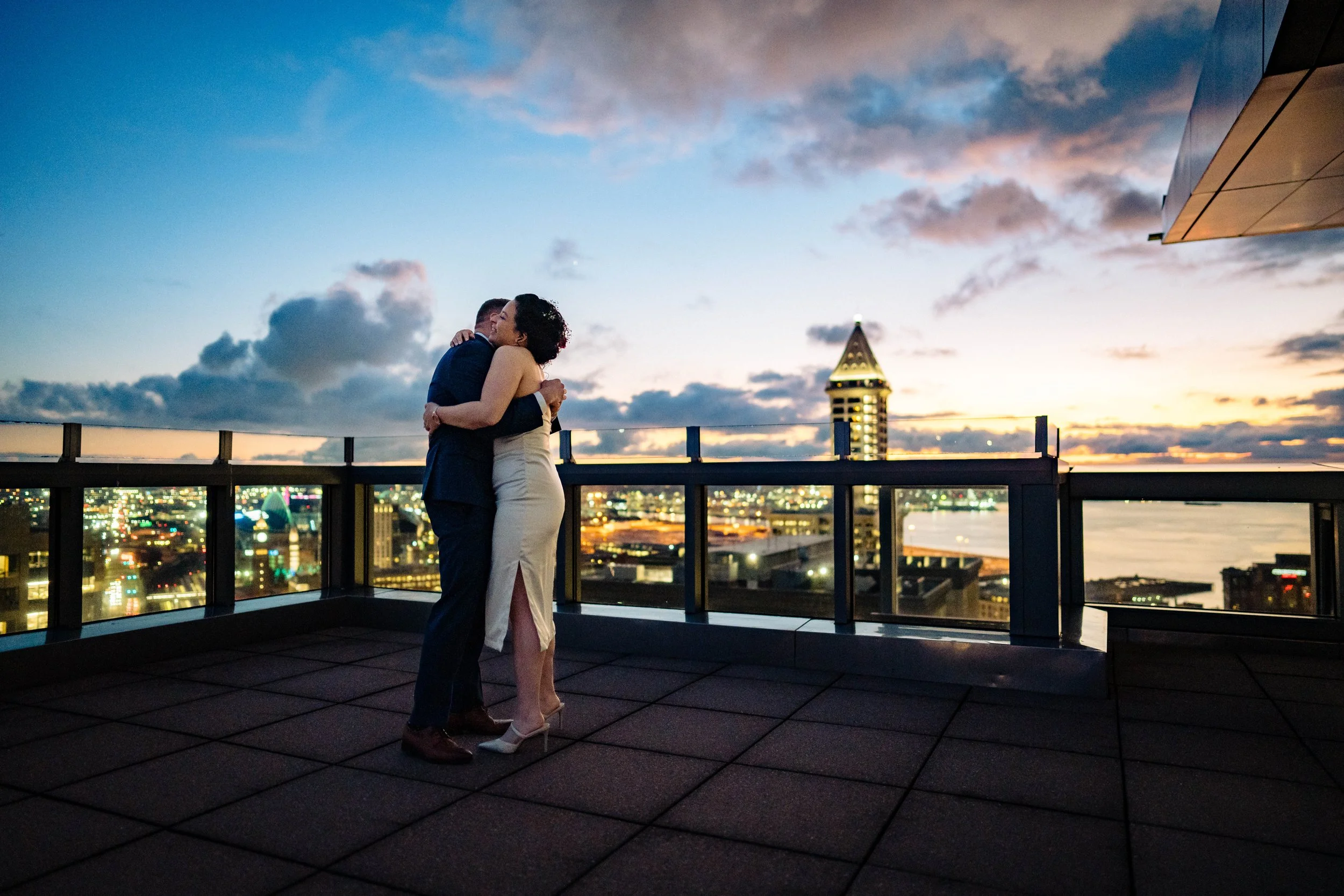
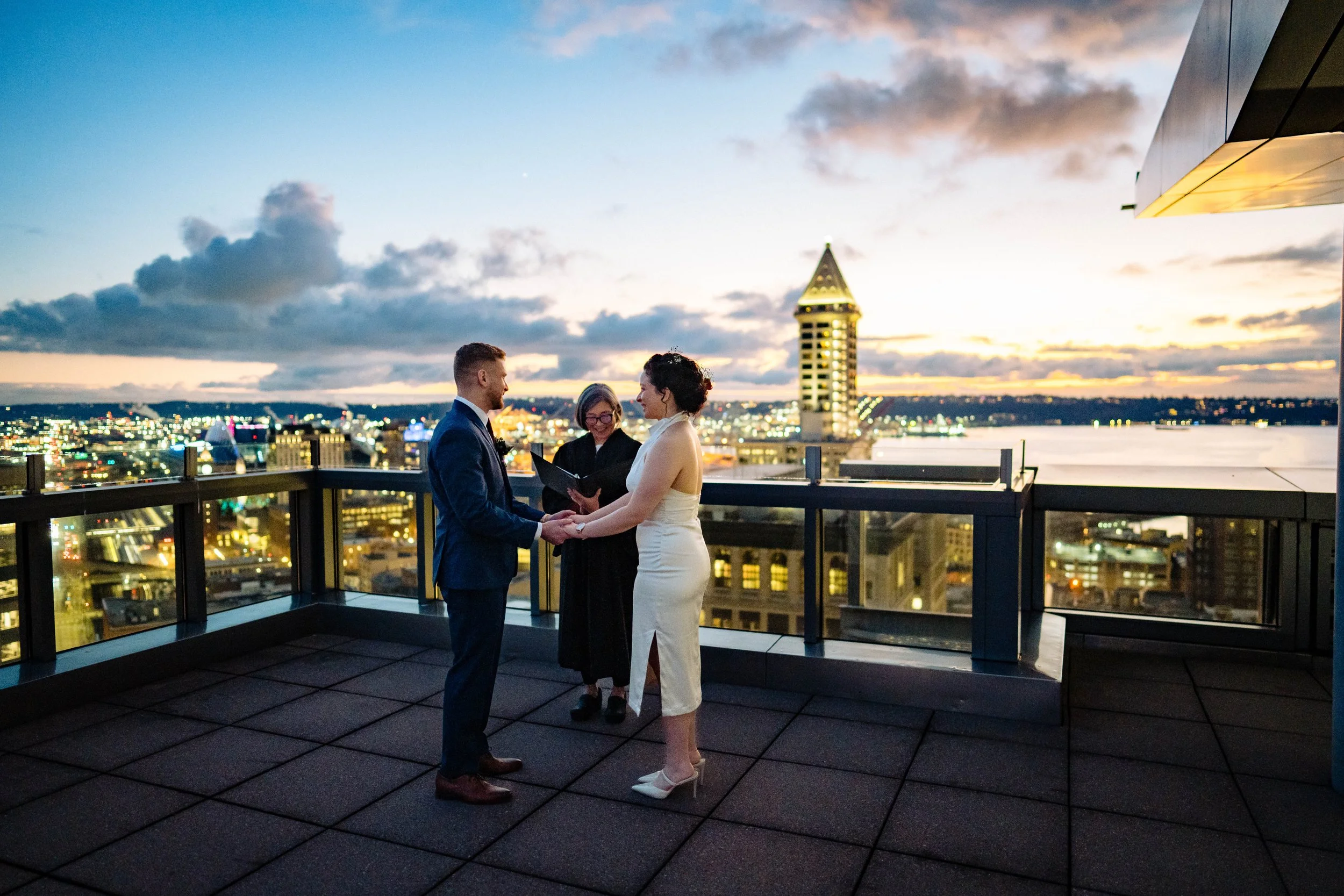
For Stephanie and Austin’s elopement florals in the photos on this blog post, I also had another corporate event order on the same weekend. I was able to split the bunches of product on the whites and creams, and source just a few stems of the burgundy peonies- there were no additional product costs I needed to consider with either order! If I had a strict minimum order policy, clients needing just a few items wouldn’t inquire in the first place and I would miss out on that connection (and these beautiful sunset shots.)


Every business has a different model or approach to their pricing and policies. With my home studio, I don’t have the overhead of studio rent, utilities, storage rental, etc, and some of my pricing formulas reflect that; I pass those cost savings on to my clients. This is also why you may ask for the exact same quote from different floral designers and receive completely different price quotes back (not to mention sizing and design style comes into play.) It’s also true that what works for my business model one year may not work for the next year! The floral industry in particular changes quite frequently, there’s a lot of vendors out there, and life changes in general could change my business approach in the future. I believe it’s important to always revaluate and pivot when needed in order to provide the best support to all involved.
I could write novels and discuss each nuance around pricing and approach, so I’ve listed a few talking points below that are worth thinking about!
Small events/orders still require a baseline amount of client relations, administrative hours, travel/flower processing hours, etc., but with a lower profit margin compared to large and even some “medium” sized events. There’s a lot to consider when you’re looking at the emotional, intellectual, and physical labor of 1 large event per week vs 3 small-medium ones.
A floral vendor may want to maintain a portfolio with larger events or designs with more dense florals or a specific design style. Setting a minimum ensures that their design style is consistently aimed at clients they want to attract and styles they want to arrange. Another point to add to this- floral designers rely on photos from our events for marketing/running our business, so we’re thinking about not only what the client wants, but if that client’s event is going to attract more of those types of clients!
A floral vendor may exclusively serve the luxury space and sets a high minimum to only attract those clients.
There’s a slight risk for vendors without a minimum order – pricing psychology suggests that not having a minimum order may give the impression to potential clients that the floral vendor isn’t “good enough” or has a lower quality of service. No minimum order does not mean that the vendor is inexperienced- this goes back to every business model and approach is different!
A floral vendor (such as a brick and mortar flower shop, or a designer specializing in elopements) may have consistent other floral orders where “extra” flowers are guaranteed to be used.
The floral vendor has access to single stem blooms, either through partnership with a local grower or their own cutting garden. They’re able to accommodate smaller dollar amount orders as they’re not purchasing through a traditional floral wholesaler and limited to bunch pricing.
